Compass Retro: A Handwritten Display Font for Modern Web Design
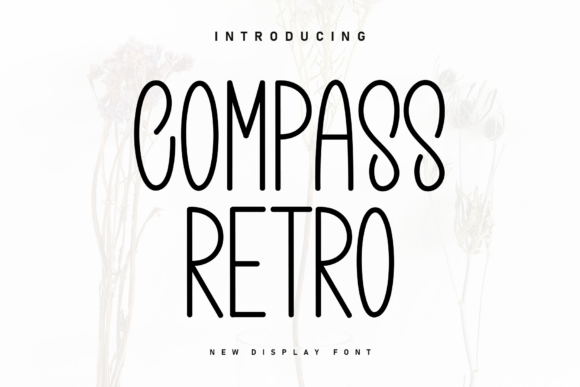
Compass Retro is a charming handwritten font filled with a sense of heartfelt perfection, offering digital creators a unique tool to elevate their visual identity. Its smooth strokes and organic lines evoke a relaxed atmosphere, making it perfect for a variety of design projects that require warmth and authenticity. As a specialized Display typeface within the broader category of Fonts, this typeface bridges the gap between professional polish and personal touch, allowing web designers to inject character into high-stakes environments like landing pages and e-commerce stores.
How Compass Retro Enhances Hero Sections and Landing Page Headers
When implementing Compass Retro as a primary headline font, designers can instantly establish an emotional connection with visitors through its distinct personality. The organic nature of these Fonts allows them to stand out against modern, geometric layouts without appearing cluttered or outdated. In a hero section, where attention spans are shortest, the smooth strokes of Compass Retro guide the eye naturally across the screen, creating a relaxed atmosphere that encourages users to scroll deeper. Unlike rigid sans serif headers that can feel cold, this display font adds a layer of human warmth that is crucial for building trust in the first few seconds of a user journey.
For digital product creators, using Compass Retro on call-to-action (CTA) buttons or short promotional banners can significantly boost engagement rates. The handwritten style mimics the gesture of a signature, which psychologically signals authenticity and care. When paired with clean body text, the contrast creates a strong visual hierarchy that separates the message from the content, ensuring that key value propositions are not missed. This balance is essential for conversion-focused layouts where clarity and appeal must coexist.
Optimizing Readability for Mobile Screens and Responsive Layouts
One of the critical challenges when selecting a decorative Display font is ensuring legibility across all device sizes. Compass Retro excels in this regard because its strokes are sufficiently thick and open, preventing ink traps or thinning lines that often break up on small mobile displays. For UI designers working on app screens or responsive websites, the font's consistent weight ensures that headlines remain crisp whether viewed on a desktop monitor or a smartphone. However, to maintain optimal readability, it is best used for short phrases rather than long paragraphs.
In responsive designs, scaling Compass Retro requires careful attention to line height and letter spacing. Because the font has organic variations, increasing the space between letters slightly can prevent the characters from feeling cramped on smaller viewports. This adjustment preserves the "relaxed atmosphere" intended by the designer while ensuring that the text remains scannable. Users scanning a page on a commute need instant recognition; the clear structure of Compass Retro delivers exactly that, supporting quick decision-making processes on digital storefronts.
Building Brand Tone and Visual Identity with Compass Retro
A consistent online identity relies heavily on typography that reflects the brand's core values, and Compass Retro is ideal for brands aiming to project approachability and creativity. By integrating this handwritten font into logo design or social media graphics, companies can differentiate themselves from competitors who rely solely on standard corporate typefaces. The "heartfelt perfection" mentioned in the font's description translates directly to brand perception, suggesting that the business cares about details and personalizes its customer experience.
For creative entrepreneurs and bloggers, Compass Retro serves as a versatile asset for defining editorial sections or blog headers. It pairs exceptionally well with minimalist sans serif fonts for body copy, creating a dynamic interplay between structure and fluidity. This combination allows for a sophisticated yet inviting reading experience, perfect for lifestyle blogs, coaching websites, or boutique online stores. The font's ability to convey a specific mood means that every page loaded becomes an extension of the brand's narrative, reinforcing the overall message without needing additional imagery.
Strategic Font Pairing for Professional Web Experiences
Selecting the right companion typeface is just as important as choosing the display font itself. When using Compass Retro for titles, pairing it with a neutral, highly readable sans serif font like Roboto, Open Sans, or Inter creates a balanced composition. The simplicity of the body text allows the intricate details of Compass Retro to shine without competing for attention. This strategy is particularly effective in SaaS landing pages or educational course pages where information density is high but the tone needs to remain friendly and accessible.
Conversely, for a more editorial or premium feel, Compass Retro can be paired with a classic serif font. This combination leans into the retro aesthetic, evoking a sense of timelessness and authority. Whether designing a digital magazine, a luxury fashion site, or a high-end portfolio, the choice of pairings dictates the rhythm of the page. The smooth strokes of Compass Retro act as a bridge between the two styles, ensuring that the transition from header to body feels seamless rather than jarring. This attention to typographic harmony is what separates amateur designs from professional-grade web experiences.
Practical Applications for Online Stores and Digital Marketing
The versatility of Compass Retro extends beyond static web pages into active marketing channels. For online store owners, using this font on sale banners, product tags, or email newsletters can increase click-through rates by adding a personal touch to automated communications. The "relaxed atmosphere" it evokes reduces the friction often associated with commercial transactions, making the shopping experience feel more like a curated recommendation than a sales pitch.
Digital marketers can leverage the unique texture of these Fonts in ad creatives to stop the scroll. In a feed dominated by sharp, vector-based graphics, a handwritten element stands out due to its imperfection and humanity. Compass Retro works beautifully for short, punchy headlines in Google Ads or Facebook campaigns where space is limited but impact is required. Its ability to convey emotion quickly makes it a powerful tool for storytelling in a fragmented digital landscape.
Licensing Considerations for Commercial Web Projects
Before deploying Compass Retro in client work or public-facing websites, understanding the commercial licensing terms is vital for protecting both the designer and the end client. Most premium display fonts come with specific licenses that cover web embedding, desktop use, and sometimes even application integration. Ensuring you have the correct license for your specific use case—whether it is a single website, a multi-client agency project, or a branded template for sale—is a non-negotiable step in professional practice.
Investing in a high-quality font like Compass Retro is an investment in the longevity and professionalism of your digital products. It provides a foundation of style that can be reused across various projects, saving time while maintaining a cohesive look. By prioritizing fonts that offer both aesthetic appeal and functional performance, web designers can create digital experiences that resonate deeply with audiences and drive tangible business results.