Slamdunk: The Handwritten Display Font for Modern Editorial Design
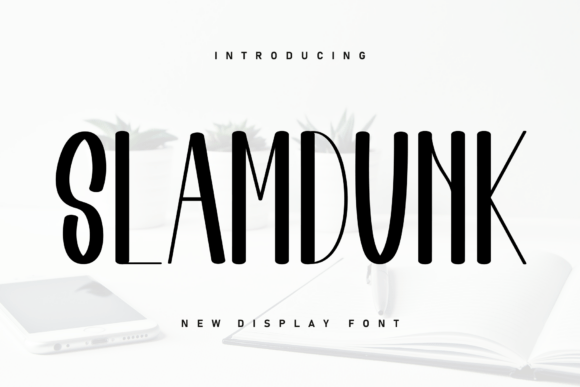
I remember the exact moment I knew my new lifestyle blog needed a refresh. The design was clean, the content was solid, but the header felt too sterile, lacking the human touch that connects with readers. That is when I discovered Slamdunk, a handwritten font that looks like it was drawn with a marker. It immediately transformed my digital space from a rigid template into something that felt relaxed and sporty, perfectly capturing the energy of a modern creator.
Why Slamdunk Fits Branding and Logo Design Projects
Slamdunk serves as an excellent choice for branding and logos because its unique character creates instant recognition without feeling overly formal. When I began sketching concepts for a client's fitness apparel line, standard sans serif fonts felt too corporate, while traditional script fonts felt too delicate. This specific typeface offered a middle ground; having a relaxed and sporty feel, it is very suitable for branding where you need to convey approachability and energy simultaneously. By using this display font for their primary logo, we established a visual identity that resonated with an active, youthful audience. The thick, marker-like strokes ensure the brand name remains legible even at smaller sizes on social media avatars or mobile screens, making it a versatile asset for any creative business looking to stand out in a crowded marketplace.
Using Slamdunk for Wedding Supplies and Greeting Cards
The versatility of this font extends beautifully into personal stationery, making it ideal for wedding supplies and greeting cards where warmth is essential. Unlike stiff, geometric typefaces, Slamdunk brings a sense of handcrafted intimacy to paper goods. I recently tested this font on a set of printable wedding invitations, and the result was stunningly organic. The slight imperfections in the letterforms mimic real handwriting, adding a layer of authenticity that guests appreciate. Having a relaxed and sporty feel, it is very suitable for wedding supplies that aim to break away from traditional, stuffy aesthetics. Whether used for save-the-dates, menu cards, or thank-you notes, the font adds a playful yet elegant flair. For greeting cards, it works particularly well for birthdays or casual holidays, allowing designers to create layouts that feel personal and thoughtfully composed rather than mass-produced.
Integrating Slamdunk into Fashion Lookbooks and Apparel Graphics
In the fast-paced world of fashion, typography often dictates the mood of the collection, and Slamdunk excels in creating bold editorial statements. I explored using this font for a digital lookbook project focused on streetwear, where the goal was to capture the raw energy of urban culture. The marker-style texture of the letters provided a perfect backdrop for high-contrast photography. As a display font, it commands attention without requiring excessive sizing or heavy styling. Having a relaxed and sporty feel, it is very suitable for fashion projects that want to appear effortless and cool. I applied the font to t-shirt mockups and magazine covers, noting how the dynamic weight distribution guided the viewer's eye naturally across the layout. Its ability to bridge the gap between high-end editorial design and street art makes it a powerful tool for brands defining their aesthetic through typography.
Enhancing Blog Headers and Newsletter Graphics with Slamdunk
For digital publishers, the challenge is often balancing readability with personality, and Slamdunk offers a solution that elevates both. When redesigning my own newsletter graphic, I wanted the subject line to pop without sacrificing the professional tone of the publication. Using this font allowed me to create a header that felt friendly and inviting, encouraging higher open rates. The distinct stroke width ensures that titles remain clear even on small mobile devices, which is crucial for modern email marketing. While it is not designed for long paragraphs of body text, it shines brilliantly as a headline, pull quote, or section divider. By pairing it with a clean sans serif font for the main content, I achieved a balanced hierarchy that kept readers engaged. This combination proves that a single display font can significantly enhance the overall user experience of a digital product.
Selecting the Right Fonts for Mixed Editorial Layouts
A successful editorial layout relies heavily on effective font pairing, and understanding the role of Slamdunk within a broader typographic system is key. Since this is a display font with a strong personality, it should generally be reserved for headlines, chapter openers, and decorative accents rather than extended reading. I found that pairing it with a classic serif font for body copy created a sophisticated contrast that felt both modern and timeless. The rugged nature of the marker-style letters softened the formality of the serif text, making complex information more accessible. For captions, navigation menus, or secondary details, a neutral sans serif font works best to maintain clarity. This strategic mix ensures that the visual interest provided by the handwritten elements does not overwhelm the reader, allowing the content itself to take center stage while still benefiting from the unique charm of the chosen typeface.
Practical Considerations for Commercial Use and File Formats
Before committing to Slamdunk for a large-scale project, it is important to verify the technical specifications and licensing terms included with the download. Most high-quality commercial fonts come with a variety of weights and styles, including alternates and ligatures that add further flexibility to your designs. I always check for multilingual support if my work targets a global audience, ensuring that special characters render correctly across different languages. The file formats typically include OTF and TTF, which are compatible with major design software like Adobe InDesign, Illustrator, and Canva, making integration seamless for web design, packaging design, and print materials. Understanding these details helps creators avoid technical hurdles and ensures that the final output maintains the crisp, high-resolution quality expected of premium design assets. Ultimately, investing time in selecting the right font family pays dividends in the consistency and professionalism of your published work.