Elm: The Visceral Display Font for Dark Editorial Design
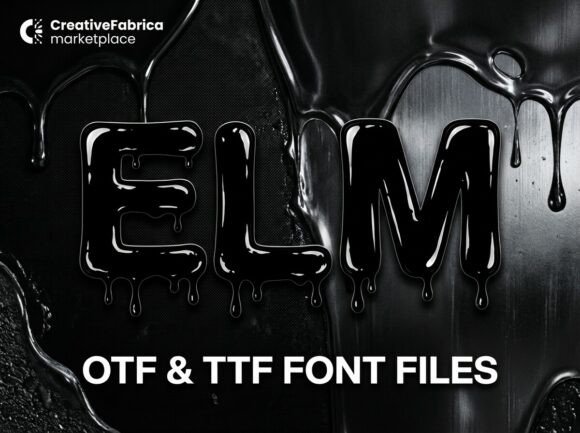
Dive into the darkness with Elm, a visceral display font designed to leave a lasting, liquid impression. This typeface features ultra-thick, rounded letterforms with a high-gloss onyx-oil finish, compelling designers to reconsider how they anchor their digital and print narratives. For publishers and editorial creators who demand immediate visual impact, Elm offers more than just letters; it provides a mood that transforms standard layouts into immersive experiences.
How Elm Transforms Magazine Covers and Digital Headers
When you need your Display fonts to command attention instantly, Elm delivers a bold presence that stops the scroll or catches the eye on a newsstand. The ultra-thick, rounded letterforms create a silhouette that feels substantial and modern, perfect for anchoring magazine covers where space is limited but impact must be maximum. In digital headers, this font acts as a visual hook, drawing readers into the story before they even read the first word of the body text. Its high-gloss onyx-oil finish adds a layer of sophistication that generic sans-serifs often lack, making it ideal for lifestyle publications, tech magazines, or fashion editorials that want to project an air of exclusivity.
Why Elm Works Best for Bold Headlines Over Body Text
While Elm is a powerful tool for headlines, its liquid and heavy nature makes it unsuitable for long-form reading. The rounded letterforms are designed to be read in short bursts, creating a strong visual hierarchy that separates the main message from supporting details. Using Elm for chapter openers or pull quotes allows you to break up dense text blocks without sacrificing readability. However, for the actual content within your blog posts, ebooks, or newsletters, you should pair Elm with a highly legible serif or clean sans-serif font. This contrast ensures that while the title grabs attention, the body copy remains comfortable for extended screen reading.
Building Brand Identity with Liquid Typography in Ebooks
Publishers creating premium digital products know that the cover and interior design dictate perceived value. By integrating Elm into your ebook titles and workbook covers, you signal a high-quality, curated experience to your audience. The "onyx-oil" aesthetic suggests depth and richness, which aligns perfectly with niche guides, coaching workbooks, or specialized industry reports. When used consistently across your brand assets—from PDF downloads to social media graphics—this typeface creates a cohesive visual language that distinguishes your publication from competitors using standard system fonts.
Using Elm for Printable Guides and Lead Magnets
In the world of lead magnets and printable planners, visual appeal drives conversion. A worksheet titled with Elm looks like a professional product rather than a basic template. The rounded edges soften the rigid structure of grids and lists, making the material feel more approachable and engaging. Whether you are designing a meal planner, a financial tracker, or a creative journal, Elm can serve as the primary accent font for section headers and key takeaways. Its unique texture ensures that your free resources stand out in crowded email inboxes and download libraries.
Enhancing Newsletter Graphics with High-Gloss Finishes
Email marketing relies heavily on capturing attention in seconds, and Elm provides the visual weight needed to make your subject lines and preview text pop. As a commercial font, it allows newsletter writers to experiment with dramatic typography that mimics the look of luxury packaging. Imagine a weekly digest where the main topic is highlighted in the glossy, dark tones of Elm, contrasting against a light background. This creates a striking focal point that encourages opens and clicks. The font's ability to convey a "liquid" movement helps guide the reader's eye naturally through the layout, improving the overall flow of your content.
Pairing Elm for Balanced Editorial Layouts
To maximize the effectiveness of Elm, strategic pairing is essential. Because Elm is a display font with such a strong personality, it pairs beautifully with understated, neutral typefaces. A classic serif font works well for body copy, offering a traditional counterpoint to the modern, glossy curves of Elm. Alternatively, a geometric sans-serif can provide a clean, minimalist backdrop that lets the Display font shine without competition. This balance ensures that your publication maintains a professional tone while still enjoying the creative freedom of a unique typeface.
Optimizing Visual Tone for Creative Blogs and Portfolios
Creative professionals and bloggers often struggle to find fonts that reflect their personal brand without looking cluttered. Elm solves this by offering a distinct "dark mode" aesthetic that resonates with modern design trends. It is particularly effective for blogs focused on art, photography, architecture, or nightlife, where the atmosphere is as important as the content. The rounded letterforms prevent the design from feeling too harsh, adding a touch of elegance that appeals to a sophisticated audience. By using Elm for navigation menus, category tags, or featured post titles, you create a consistent visual identity that readers will recognize instantly.
Ensuring Readability Across Mobile and Print Formats
One of the critical considerations when adopting Elm is ensuring it renders correctly across various devices. The high-contrast nature of the onyx-oil finish requires careful testing on mobile screens to ensure the ultra-thick strokes do not blur or merge at smaller sizes. While Elm excels in large formats like posters and book covers, its use in mobile-responsive web design should be reserved for headings and accents. For print materials, the font's detailed curves translate beautifully, provided you use high-resolution outputs. Always check the included styles and ligatures to ensure you have the necessary variations for different layout needs.
Leveraging Commercial Licensing for Professional Projects
For designers working on client publications, paid courses, or commercial templates, securing the proper commercial font license is vital. Elm is designed to support a wide range of professional applications, from client magazines to digital product marketplaces. Understanding the licensing terms allows you to confidently use the font in embedded PDFs, website headers, and social media assets without legal concerns. By investing in a versatile display font like Elm, you are not just buying a set of characters; you are acquiring a design asset that elevates the entire quality of your work.
The journey of a great publication begins with the right typographic choices. Elm offers a unique opportunity to infuse your content with a sense of mystery and luxury. Whether you are crafting a digital magazine, a stunning ebook cover, or a series of engaging blog posts, this typeface provides the visual depth needed to leave a lasting impression on your audience.