Steraw: The Liquid-Industrial Display Font for Bold Branding
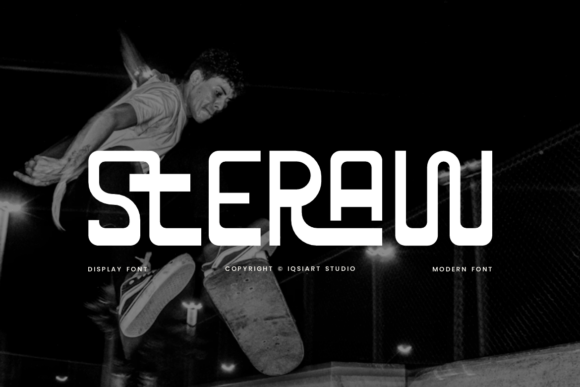
The blank canvas stared back, demanding a voice that wouldn't just be heard but felt. I was working on a rebrand for a local artisanal coffee roaster who wanted to move away from the typical rustic wood-and-jute aesthetic and embrace something grittier, more urban. That is when I opened Steraw, a cutting-edge display font designed for those who play by their own rules. Its distinctive liquid-industrial style features unique ligatures and sweeping curves that immediately captured the raw energy of the streets while maintaining a level of sophistication required for high-end packaging.
How Steraw Defines Modern Typography for Street-Inspired Brands
When you first load Steraw into your design software, the character set feels less like a standard typeface and more like a collection of hand-drawn street art elements digitized with precision. This isn't just another generic sans serif or a decorative script; it is a Display font built to command attention in crowded marketplaces. The "liquid-industrial" description hits home because the letters appear to flow like molten metal, yet they hold the structural integrity of concrete architecture. For a brand identity project, this duality is crucial. It allows designers to create visuals that feel rebellious and edgy without sacrificing readability or professional polish.
Steraw for Logo Design and Visual Identity Systems
In my initial mockups for the coffee roaster, I tested Steraw as the primary logo lockup. The unique ligatures are not mere stylistic flourishes; they serve as visual connectors that tie disparate brand elements together. When I paired the bold, heavy weights of the font with a clean, minimal layout, the result was an immediate shift in perception. The logo no longer looked like a small business trying too hard; it looked like an established movement. Using Steraw for a logo design ensures that the brand mark has a distinct silhouette that stands out on everything from storefront signage to mobile app icons. The font's ability to convey personality through its form means it can act as the hero element in a visual identity system, guiding the viewer's eye before they even read the tagline.
Steraw for Packaging Design and Product Label Creation
Packaging is where the true potential of Steraw shines, especially for products that need to communicate a story quickly. I applied the font to a series of mock product labels, ranging from limited-edition bean bags to sleek glass bottles. The sweeping curves of the letters interact beautifully with the physical constraints of a label, allowing text to wrap around curves or fill negative space in a way that feels organic rather than forced. Because this is a Fonts library specifically crafted for impact, the kerning adjustments were intuitive, ensuring that words like "Roasted" or "Limited" didn't look cramped or disconnected.
- Visual Hierarchy: Use the heavier weights for product names and lighter variants for ingredient lists to create clear contrast.
- Ligature Usage: Leverage the unique ligatures to create custom monograms or stylized initials that become part of the brand's signature look.
- Texture Integration: The liquid nature of the font pairs exceptionally well with textures like brushed metal, wet concrete, or spray paint effects in Photoshop mockups.
Steraw for Social Media Graphics and Digital Marketing Assets
Moving beyond print, I tested Steraw on social media graphics for Instagram and Facebook. In a digital feed dominated by pastel aesthetics and minimalist layouts, a font with such raw energy acts as a powerful stopper. The high contrast between the thick strokes and the thin lines of Steraw translates perfectly to smaller screens, ensuring legibility even at thumbnail size. Whether creating event flyers, promotional banners, or quote cards, the font brings a sense of urgency and excitement that static serif fonts often lack. It transforms a simple post into a statement piece, encouraging users to pause and engage with the content.
Practical Font Pairing Strategies for Steraw Projects
No single typeface can do everything, and Steraw is best utilized as a dominant display font rather than a body text solution. To build a balanced typographic hierarchy, I recommend pairing Steraw with a highly legible sans serif or a classic serif font for supporting copy. For the coffee roaster project, I chose a neutral, geometric sans serif for the menu descriptions and website body text. This combination allowed the industrial flair of Steraw to take center stage while ensuring that the detailed information remained easy to read. The contrast between the fluid, artistic shapes of Steraw and the structured, utilitarian nature of a supporting sans serif creates a dynamic tension that keeps the design fresh and engaging.
Steraw for Editorial Design and Website Headers
For editorial layouts and web design, Steraw serves as an exceptional headline font. I experimented with using it for website headers, where it anchored the top of the page with a strong visual presence. The font's ability to handle large point sizes without losing detail makes it ideal for hero sections, landing pages, and magazine covers. When used in editorial design, the unique character alternates allow for creative emphasis within headlines, turning a standard sentence into a visual narrative. However, it is important to use restraint; letting Steraw speak for itself in short bursts prevents the design from becoming overwhelming or difficult to navigate.
Technical Considerations for Commercial Font Licensing
Before finalizing any client deliverables, I always verify the technical specifications and licensing terms of the font family. Steraw comes with a comprehensive set of styles, including various weights and a robust collection of alternate characters and ligatures. This variety is essential for maintaining consistency across different mediums, from large-scale billboards to fine-print legal disclaimers. The inclusion of multilingual support further expands its utility for international brands looking to capture a global audience. Understanding the commercial font licensing is equally critical; ensuring that the license covers all intended uses—whether for merchandise, digital templates, or broadcast media—protects both the designer and the client from potential legal issues.
Steraw for Creative Studios and Freelance Branding Work
For freelancers and creative studios, having a versatile Display font like Steraw in the toolkit is a game-changer. It opens up opportunities to pitch concepts that stand out in competitive markets. Clients are increasingly looking for brands that feel authentic and have a distinct point of view, and Steraw provides the visual vocabulary to express that. By integrating this font into branding packages, designers can offer a cohesive look that feels tailored and intentional. Whether designing a full brand identity, creating marketing collateral, or developing a unique logo, Steraw offers the flexibility to adapt to diverse industries while maintaining its core identity of raw, unfiltered energy.
The journey from a blank sketch to a finished brand board is rarely linear, but finding the right typeface can accelerate the process significantly. With Steraw, the design process becomes more about storytelling and less about fitting text into boxes. The liquid-industrial style invites experimentation, encouraging designers to push boundaries and create work that resonates on a deeper level. As you explore your next project, consider how a font designed for those who play by their own rules can elevate your creative output and help your clients make a lasting impression.