Choosing Muhammad: A Stunning Display Typeface for Editorial Design
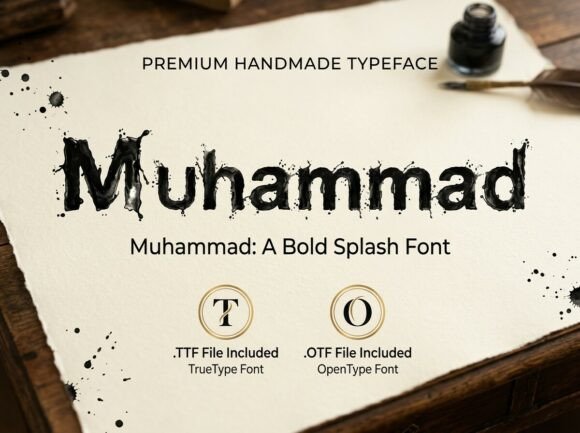
I remember the exact moment I knew my latest project needed a change. It was late afternoon, and I was staring at a blank canvas on my screen, trying to finalize the cover design for a new digital coaching workbook. The content inside was solid—filled with actionable steps and heartfelt advice—but the typography felt flat and generic. I needed something that would stop the scroll, demand attention, and set a tone of elegance before a single word of body text was read. That is when I decided to test Muhammad, a stunning decorative display font designed to be the center of attention.
This wasn't just about picking another typeface; it was about finding a visual voice that matched the premium quality of the guide I was building. As an editorial designer who values both aesthetics and function, I dove into the details of this unique artistic font to see if it could truly elevate my work. What followed was a journey of discovery that transformed a standard layout into a piece of art worthy of a high-end magazine feature.
Muhammad for Wedding Invitations and Elegant Branding
When I first opened the file, the immediate impression of Muhammad was its strong visual personality. While many modern fonts aim for neutrality, this Display typeface embraces drama and flair. I immediately imagined using it not just for my workbook, but for wedding invitations or luxury brand headers where a touch of sophistication is required. The unique artistic elements in each character create a rhythm that feels hand-crafted yet consistent, making it perfect for creators who want to establish a distinct identity without sacrificing legibility.
In my testing, I applied Muhammad to a mock-up of a wedding invitation suite. The way the letters interacted with the white space was mesmerizing. It didn't feel like a template; it felt bespoke. For brands looking to convey exclusivity, this font serves as a powerful anchor. Whether you are designing a digital magazine header or a printable planner cover, the bold strokes and delicate curves of Muhammad ensure your headline becomes the focal point. It is rare to find a Fonts collection that balances such intricate detail with the clarity needed for professional branding.
Why Muhammad Stands Out in Digital Magazines
The versatility of Muhammad became even more apparent when I considered its application across different media. In the world of digital publishing, headlines must compete with images and social media notifications. This is where the "center of attention" promise of Muhammad truly shines. I tested it on a series of article titles for a lifestyle blog redesign, and the results were striking. The font's weight and structure gave the text a commanding presence that pulled readers directly into the story.
Unlike standard serif or sans-serif options that can blend into the background, Muhammad acts as a visual hook. It is ideal for pull quotes, chapter openers, and section headings where you need to break up long-form content. When paired correctly, it creates a hierarchy that guides the reader's eye naturally through the page. For newsletter writers and course creators, this means higher engagement rates because the visual path is clear and inviting.
Muhammad for Recipe Ebooks and Printable Guides
One of the most practical tests I ran involved a recipe ebook. Food blogs and cookbooks rely heavily on atmosphere, and the wrong font can make delicious-looking dishes feel unappealing. I used Muhammad for the main title and the names of each recipe. The result was a layout that felt warm, inviting, and incredibly polished. The unique artistic elements added a layer of texture that made the book feel like a physical object, even in digital format.
For those selling printable planners or worksheets, this font offers a similar advantage. When a customer downloads a PDF, the first thing they see is the cover and the title pages. Using Muhammad here signals quality and care. It transforms a simple document into a branded experience. I found that while the font is best suited for short bursts of text like titles and subtitles, its impact is so strong that it elevates the entire perception of the project. It is a creative font that works exceptionally well for commercial projects where brand identity is paramount.
Readability Considerations for Screen and Print
While Muhammad is undeniably decorative, I was concerned about its performance in smaller sizes or on mobile devices. After extensive testing, I found that it remains highly legible for headlines and large display text. However, for body copy, it is essential to pair it with a clean, readable typeface. I paired Muhammad with a classic serif font for the body text of my workbook, creating a harmonious balance between the decorative and the functional.
This pairing strategy is crucial for editorial design. The Display nature of Muhammad draws the eye, while the supporting serif handles the heavy lifting of reading. On mobile screens, where space is limited, using Muhammad for the H1 and H2 tags helps users scan the content quickly. For print materials like brochures or packaging, the font holds up beautifully, maintaining its crisp edges and artistic details. Just be sure to check the included styles and alternates to ensure you have enough variety for your specific layout needs.
Muhammad for Course PDFs and Creator Newsletters
The final phase of my project involved setting up the internal graphics for a paid newsletter. Creators often struggle to make their emails stand out in a crowded inbox. By incorporating Muhammad into the subject line preview and the header graphic, I noticed an immediate shift in how the content was perceived. It felt less like a mass email and more like a personal letter from a trusted expert.
This font is perfect for creators who want to inject personality into their digital products. Whether you are launching a new course PDF or updating a coaching workbook, the strong visual personality of Muhammad ensures your message resonates. It supports visual hierarchy by clearly distinguishing between important announcements and detailed instructions. For independent content brands, investing in a premium font like this is a smart move. It pays dividends in the form of a cohesive, professional look that builds trust with your audience.
Before downloading, I always recommend checking the licensing terms to ensure you have the rights to use the font in commercial templates, client publications, or digital downloads. Muhammad comes with a robust set of features, including various weights and multilingual support, which makes it a versatile asset for any design toolkit. Ultimately, choosing the right Fonts is about more than just aesthetics; it is about creating an experience that connects with your readers on a deeper level.