Why Tyler Wavy Wood Display Font Transforms Editorial Design
I remember the exact moment I realized my lifestyle blog needed a new identity. The previous design was clean, functional, and entirely forgettable. It lacked the warmth of the outdoors that defined my content. While scrolling through a library of Fonts, I stumbled upon Tyler. This isn't just another typeface; it is a Display font that feels like walking through a sun-dappled forest. Its wavy, timber-inspired texture immediately suggested a shift from sterile digital layouts to something organic and inviting.
Tyler for Blog Headers and Digital Magazine Covers
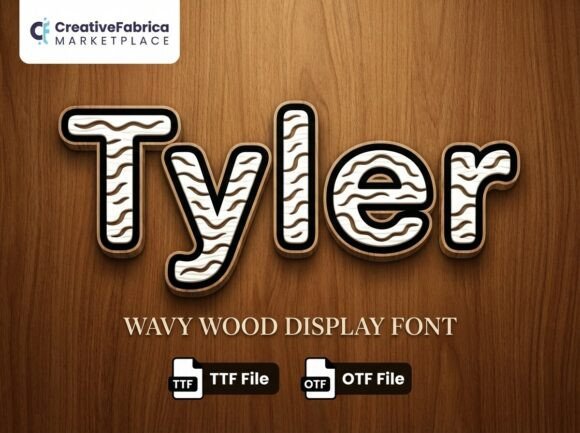
When you are designing a Tyler header for a digital magazine or a lifestyle blog, the visual impact is immediate and grounding. As a premium Display font, Tyler brings a bold, natural rhythm to your top-of-page real estate. In my recent redesign project, I used Tyler to anchor the masthead of a seasonal guide on sustainable living. The wavy lines mimicked the grain of wood, instantly communicating a theme of nature without needing heavy imagery. Unlike standard sans serif fonts that can feel cold on screen, this Fonts collection offers a tactile quality that draws the eye in. For editorial designers looking to establish a strong brand identity, using Tyler as the primary display element creates an instant mood of rustic elegance and authenticity.
Enhancing Visual Hierarchy with Natural Textures
The unique character of Tyler allows it to function as a powerful tool for visual hierarchy. When paired with a clean body text, the bold strokes of this Display font create a distinct separation between headlines and paragraphs. I tested this by applying Tyler to pull quotes and section openers within a long-form article about outdoor photography. The font's organic curves softened the transition between text blocks, making the reading experience feel more fluid. This approach works exceptionally well for Fonts intended to break up dense information, guiding the reader's attention naturally down the page.
Tyler for Wedding Invitations and Elegant Branding
While often associated with rugged themes, Tyler also possesses a refined grace suitable for high-end branding. When applied to wedding invitations or a boutique coaching workbook, the font elevates the perceived value of the product. The "Wavy Wood" aesthetic suggests a connection to heritage and timelessness, which resonates deeply with audiences seeking artisanal quality. In a recent client project for a wedding planning guide, we utilized Tyler for the main title and chapter headers. The result was a cohesive look that felt both modern and rooted in tradition. By choosing this specific Display font, creators can signal that their work is handcrafted and thoughtful.
Building Trust Through Authentic Typography
Authenticity is a currency in today's digital landscape, and Tyler helps build that trust instantly. Readers subconsciously associate the natural textures of this Fonts family with honesty and reliability. Whether you are launching a course PDF or a printable planner, the presence of Tyler tells the audience that the content inside is genuine. It avoids the generic look of stock templates, offering instead a bespoke feel that aligns with independent creators and small businesses. The font's versatility ensures it fits seamlessly into various branding kits, from social media graphics to physical packaging designs.
Tyler for Recipe Ebooks and Printable Planners
For creators producing downloadable assets like recipe ebooks or weekly planners, readability combined with style is paramount. Tyler excels here because its bold weight ensures legibility even at smaller sizes, while its unique shape prevents it from becoming monotonous. I recently designed a summer cookbook layout where Tyler served as the primary font for recipe titles. The wood-like texture complemented the food photography beautifully, creating a unified visual story. However, it is important to note that Tyler is best reserved for headlines and short phrases rather than long blocks of text. For the body copy, pairing it with a highly readable serif font maintains the balance between artistic flair and functional clarity.
Optimizing Layouts for Mobile and Print
In an era where users switch between mobile devices and printed materials, the adaptability of your chosen Display font is crucial. Tyler handles scaling well, maintaining its structural integrity whether viewed on a smartphone screen or exported as a high-resolution PDF. When testing the font on mobile layouts, the wide spacing and distinct letterforms prevented any crowding issues common with decorative Fonts. For print projects, such as a workshop workbook or a newsletter graphic, the ink density of Tyler provides a crisp, professional finish. This dual capability makes it an essential asset for anyone creating multi-platform content.
Tyler for Newsletter Graphics and Social Media Content
Digital newsletters and social media graphics require typography that stops the scroll. Tyler delivers exactly that with its distinctive wavy silhouette. When used for newsletter headers or Instagram story overlays, the font adds a layer of personality that standard typefaces lack. I found that combining Tyler with simple, earth-toned backgrounds created a visually soothing effect that encouraged engagement. The font acts as a creative accent, drawing attention to key messages without overwhelming the viewer. For brands aiming to cultivate a loyal community, incorporating Tyler into their visual language fosters a sense of belonging and shared values.
Selecting the Right Pairings for Editorial Success
To maximize the potential of Tyler, selecting the right companion font is essential. Since Tyler is a statement Display font, it pairs best with understated typefaces that do not compete for attention. A classic serif font works wonders for body text, echoing the traditional roots of the wood texture while ensuring comfort during long reading sessions. Alternatively, a clean sans serif font can provide a modern contrast, highlighting the organic curves of Tyler. Before finalizing your design, always check the included styles and alternates to ensure you have enough variety for different weights and accents. Understanding the full scope of the Fonts package will help you maintain consistency across all your digital and print publications.